A structural connection is designed around a fastener of a specific property class. Fit a lower class and the connection is weaker — but nothing about the assembly looks different, and nothing fails on the day of installation.
Why it happens
Fasteners are typically the lowest-value line in a package and the highest in quantity. They are frequently procured separately from the structure they fasten, often at short notice when a shortfall is discovered on site. At that point, availability tends to beat specification.
- Bolt supplied to the specified class, nut supplied to a lower one
- Correct diameter, incorrect property class
- Correct grade, incorrect thread form or length of thread
- Correct fastener, incorrect finish for the exposure environment
The nut and bolt mismatch
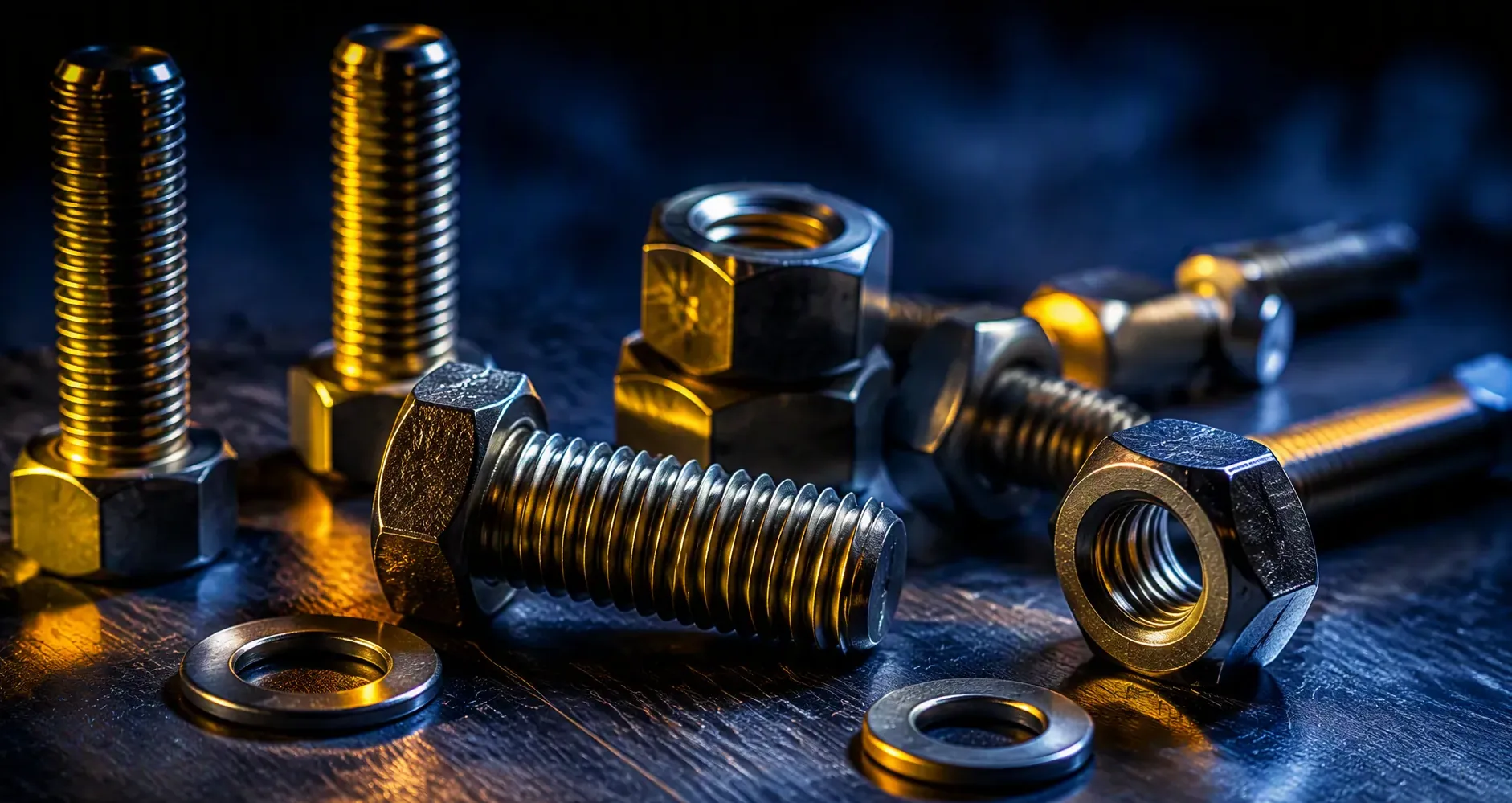
The most common version is also the least visible. A high-class bolt fitted with a lower-class nut gives a connection the strength of the nut, not the bolt. Both components are stamped, both are correct in isolation, and the assembly is not.
A connection is only as strong as the weakest component in the assembly — including the one nobody inspected.
What reduces the risk
- Procure fasteners as a matched assembly rather than as separate items
- State the property class for every component of the assembly, not just the bolt
- Require dimensional and grade verification before dispatch
- Ask for inspection records on packages where compliance must be evidenced
- Order the full quantity with the structure, not the shortfall afterwards
None of this is difficult. It requires only that fasteners be treated as specified components rather than as consumables.